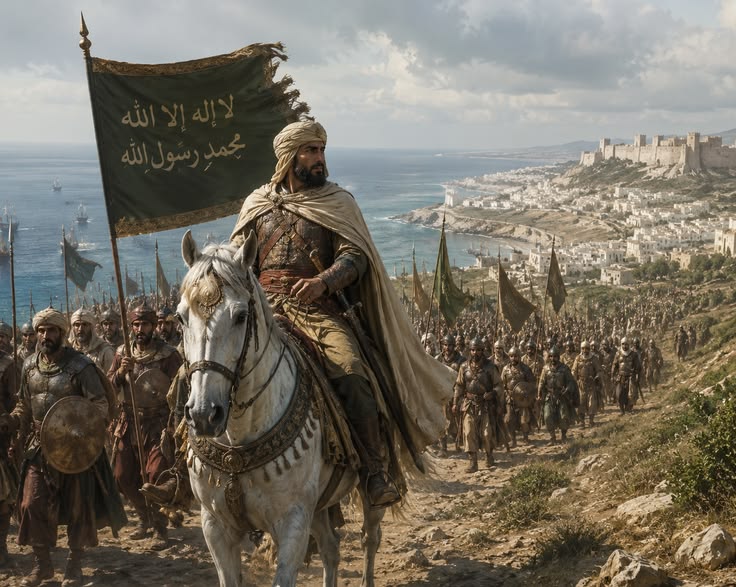
711 - 1492 CE · Nearly Eight Centuries٧١١ - ١٤٩٢م · قُرابة ثمانية قرون

Al-Andalusالأندلس

For almost eight hundred years, Islam flowered on European soil. From the day Tariq ibn Ziyad crossed the strait to the last sigh over Granada, Al-Andalus was a beacon of knowledge, art, and coexistence, the bridge that carried light into a darkened Europe.قُرابة ثمانية قرون أزهر فيها الإسلام على أرض أوروبا. من يوم عبر طارق بن زياد المضيق إلى آخر زفرةٍ على غرناطة، كانت الأندلس منارة علمٍ وفنٍّ وتعايش، والجسر الذي حمل النور إلى أوروبا في ظلماتها.

In the year 711, a Muslim army crossed from North Africa into the Iberian Peninsula, the land the Arabs would call Al-Andalus. What began as a swift conquest grew into one of the most brilliant civilisations the world has known: Cordoba, Seville, and Granada became cities of libraries, hospitals, paved and lit streets, fountains and gardens, while much of Europe still lived in mud. For nearly eight centuries Muslims, Christians and Jews lived side by side. This is its story, from the crossing of Tariq ibn Ziyad to the fall of Granada in 1492.في عام ٧١١م عبر جيشٌ مسلم من شمال أفريقيا إلى شبه الجزيرة الأيبيرية، الأرض التي سمّاها العرب الأندلس. وما بدأ فتحاً سريعاً صار واحدةً من أبهى الحضارات التي عرفها العالم: غدت قرطبة وإشبيلية وغرناطة مدائن المكتبات والمستشفيات والشوارع المرصوفة المضاءة والنوافير والبساتين، بينما كانت أوروبا لا تزال في طينها. وقُرابة ثمانية قرون عاش المسلمون والنصارى واليهود جنباً إلى جنب. هذه قصّتها، من عبور طارق بن زياد إلى سقوط غرناطة سنة ١٤٩٢م.

781
years of Muslim presence in Iberia, from the crossing in 711 to the fall of Granada in 1492عاماً من الوجود الإسلامي في أيبيريا، من العبور سنة ٧١١ إلى سقوط غرناطة سنة ١٤٩٢
711
the year Tariq ibn Ziyad landed at the rock that still carries his name, Jabal Tariq (Gibraltar)العام الذي نزل فيه طارق بن زياد عند الجبل الذي ما زال يحمل اسمه: جبل طارق
400,000
books in the library of Caliph al-Hakam II in Cordoba, when Europe's greatest libraries held a few hundredكتابٍ في خزانة الخليفة الحكم المستنصر بقرطبة، حين كانت أعظم مكتبات أوروبا لا تتجاوز المئات
1492
the year Granada surrendered and the banner of Al-Andalus was lowered for the last timeالعام الذي سقطت فيه غرناطة وأُنزلت راية الأندلس للمرة الأخيرة

Eight Centuries of Al-Andalusثمانية قرون من الأندلس

711 CE / 92 AH

The Crossingالعبور

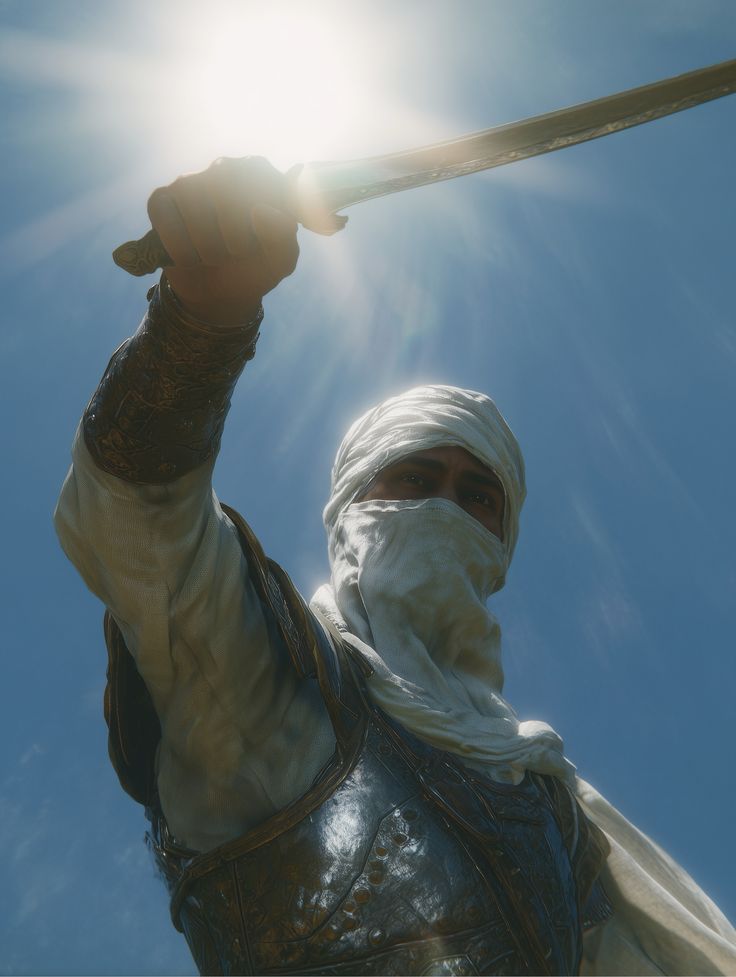
Tariq ibn Ziyad, a Berber commander under Musa ibn Nusayr, crosses from North Africa with an army of some seven thousand and lands at the great rock, thereafter named Jabal Tariq (Gibraltar). At the Battle of Guadalete he defeats Roderic, the last Visigothic king, and the gate of Iberia swings open.يعبر طارق بن زياد، القائد البربري في خدمة موسى بن نُصير، من شمال أفريقيا بجيشٍ قوامه نحو سبعة آلاف، فينزل عند الجبل العظيم الذي سُمّي بعدُ جبل طارق. وفي معركة وادي لكّة يهزم لُذريق آخر ملوك القوط، فينفتح باب أيبيريا.
712 CE

Al-Andalus is Bornمولد الأندلس

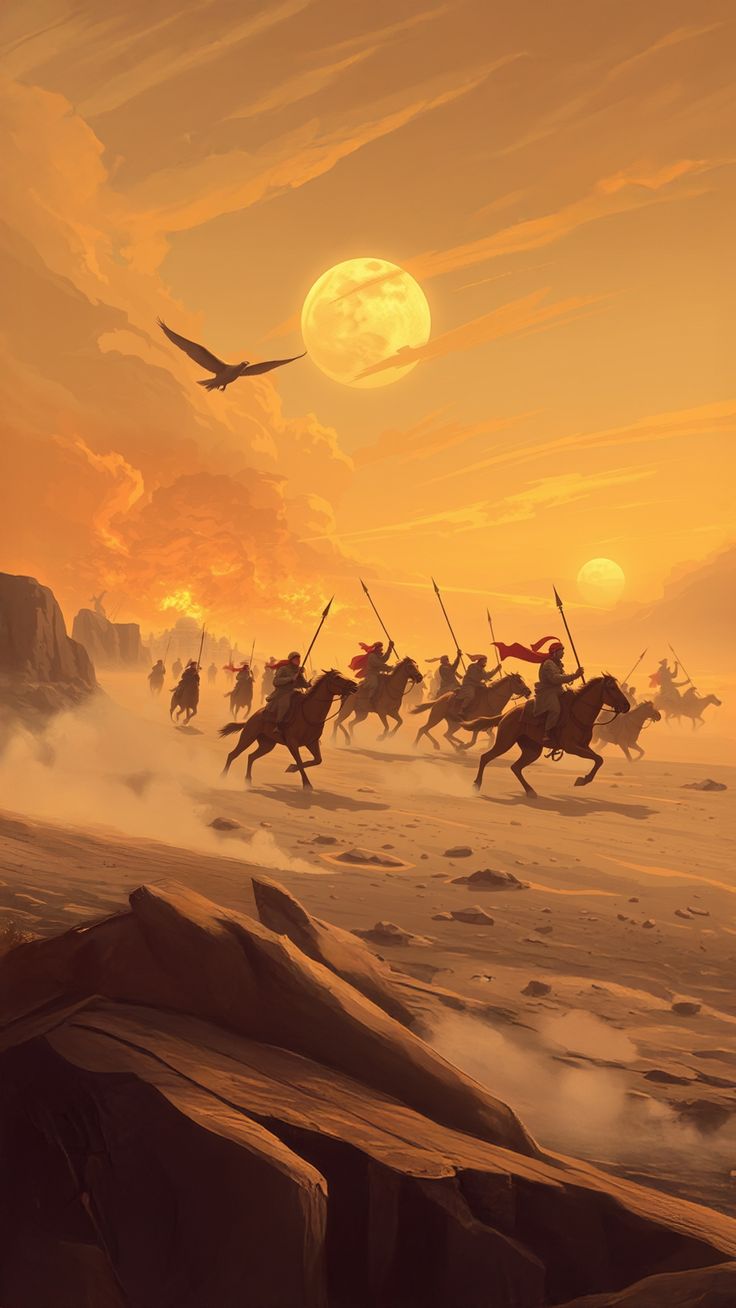
Musa ibn Nusayr crosses with reinforcements. Within a few years Toledo, Cordoba, Seville and most of the peninsula come under Muslim rule. The new land takes the name Al-Andalus and is governed at first from distant Damascus.يعبر موسى بن نُصير بالمدد، فتدخل في بضع سنين طُليطلة وقرطبة وإشبيلية وأكثر شبه الجزيرة تحت الحكم الإسلامي. وتأخذ الأرض الجديدة اسم الأندلس، وتُدار في أول أمرها من دمشق البعيدة.

732 CE

The Furthest Reachأبعد مدى

Muslim cavalry pushes deep into Frankish Gaul before being checked at the Battle of Tours (known in Arabic sources as Balat al-Shuhada). It marks the northern limit of the expansion; Al-Andalus now settles into the land it will hold for centuries.تتوغّل الخيل المسلمة في بلاد الفرنجة شمالاً حتى تُوقَف في معركة بلاط الشهداء (تور). وكان ذلك أقصى حدّ الامتداد شمالاً؛ فتستقرّ الأندلس في الأرض التي ستحكمها قروناً.

756 CE

The Falcon of Qurayshصقر قريش

Abd al-Rahman I, a young prince and one of the few Umayyads to survive the Abbasid massacre in the East, escapes across a continent, reaches Spain, and founds the independent Emirate of Cordoba. The Umayyad line, cut down in Damascus, blooms again in the West.يفرّ عبد الرحمن الداخل، الأمير الشاب وأحد قلائل بني أمية الناجين من مذبحة العباسيين في المشرق، عبر قارّةٍ كاملة حتى يبلغ الأندلس، فيؤسّس إمارة قرطبة المستقلّة. وهكذا يتفتّح من جديد في الغرب بيتُ أميةَ الذي قُطِع في دمشق.

785 CE

The Great Mosque of Cordobaجامع قرطبة الكبير

Abd al-Rahman I begins the Great Mosque of Cordoba. Its endless forest of red-and-white double arches becomes the enduring symbol of Andalusi art, expanded by ruler after ruler over two centuries.يبدأ عبد الرحمن الداخل بناء جامع قرطبة الكبير، فتغدو غابته اللامتناهية من الأقواس المزدوجة الحمراء والبيضاء رمز الفنّ الأندلسي الخالد، يوسّعه حاكمٌ بعد حاكم على مدى قرنين.

929 CE

The Caliphate and the Golden Ageالخلافة والعصر الذهبي

Abd al-Rahman III declares the Caliphate of Cordoba. The city becomes the largest and most advanced in Europe, with paved streets, public baths, street lighting, and the colossal library of his son al-Hakam II. Scholars of every faith come to study medicine, astronomy and philosophy.يعلن عبد الرحمن الناصر خلافة قرطبة، فتصير المدينة أكبر مدائن أوروبا وأرقاها: شوارع مرصوفة، وحمّامات عامة، وإنارةٌ ليلية، وخزانة ابنه الحكم المستنصر الهائلة. ويفد إليها علماء من كل دينٍ لدراسة الطب والفلك والفلسفة.

1031 CE

The Taifa Kingdomsملوك الطوائف

The Caliphate fractures into more than twenty small rival kingdoms, the Taifas. Culture still dazzles, but disunity invites the northern Christian kingdoms to press southward, and in 1085 Toledo falls.تتفكّك الخلافة إلى أكثر من عشرين مملكةً صغيرة متناحرة هي ملوك الطوائف. ويظلّ العمران مبهراً، لكنّ الفُرقة تُطمِع ممالك الشمال النصرانية في الزحف جنوباً، فتسقط طُليطلة سنة ١٠٨٥.

1086 - 1147 CE

The African Empiresدولتا المرابطين والموحّدين

Twice, great Berber empires cross from North Africa to defend Al-Andalus: the Almoravids, who win the Battle of Zallaqa (Sagrajas) in 1086, and then the Almohads. They halt the Christian advance for a time and reunite the Muslim south.مرّتين تعبر إمبراطوريتان بربريتان عظيمتان من شمال أفريقيا للذود عن الأندلس: المرابطون، الذين ينتصرون في معركة الزلّاقة سنة ١٠٨٦، ثم الموحّدون. فيوقفون الزحف النصراني حيناً، ويوحّدون الجنوب المسلم.

1212 CE

Las Navas de Tolosa: The Tide Turnsالعِقاب: انقلاب الموازين

At the Battle of Las Navas de Tolosa (al-Uqab), a united Christian army crushes the Almohads. It is the great turning point: within a generation Cordoba (1236) and Seville (1248) are lost, and Muslim rule shrinks to the south.في معركة العِقاب (لاس نافاس دي تولوسا) يسحق جيشٌ نصرانيٌّ متّحد الموحّدين. وكانت نقطة التحوّل الكبرى: ففي جيلٍ واحد تضيع قرطبة (١٢٣٦) وإشبيلية (١٢٤٨)، وينحسر الحكم المسلم إلى الجنوب.

1238 CE

Granada and the Alhambraغرناطة والحمراء

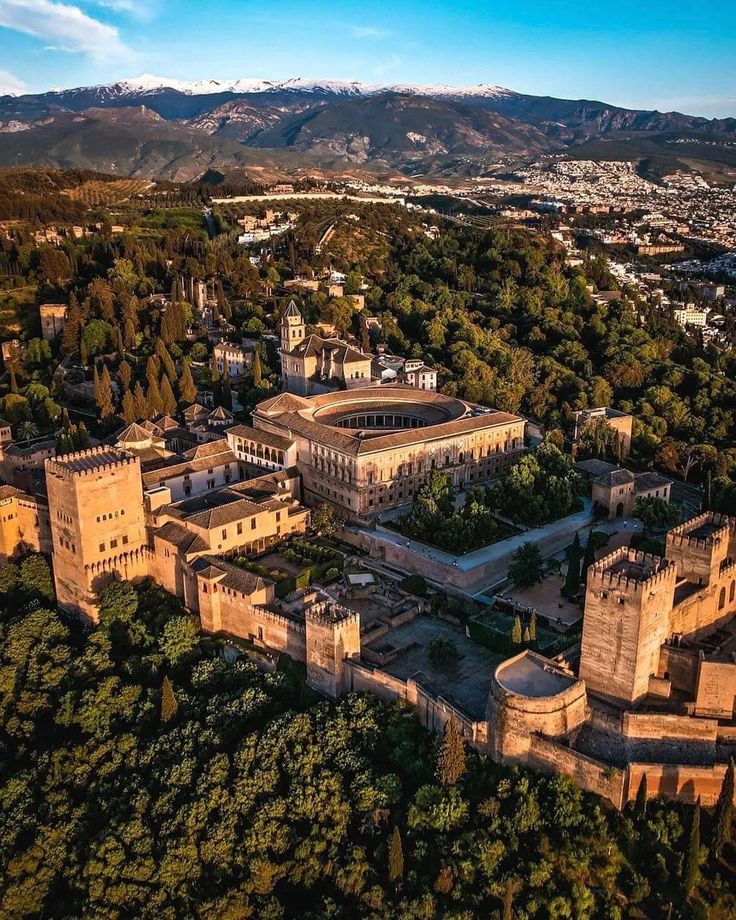
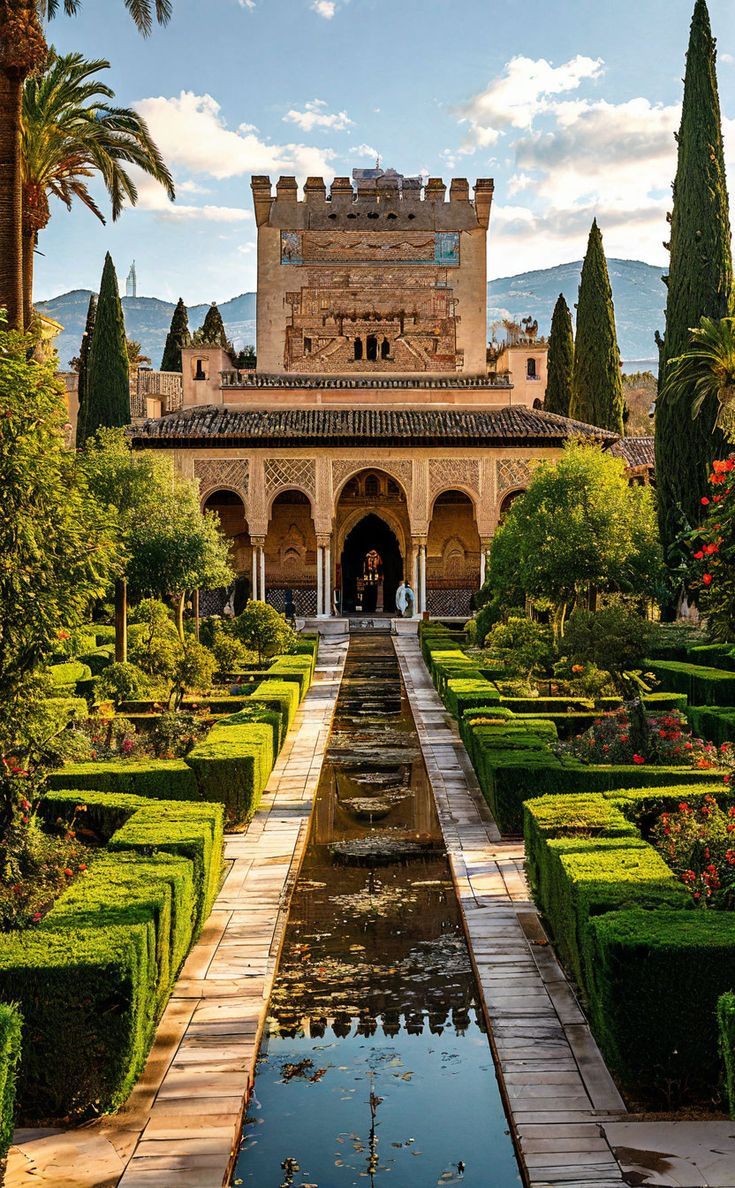
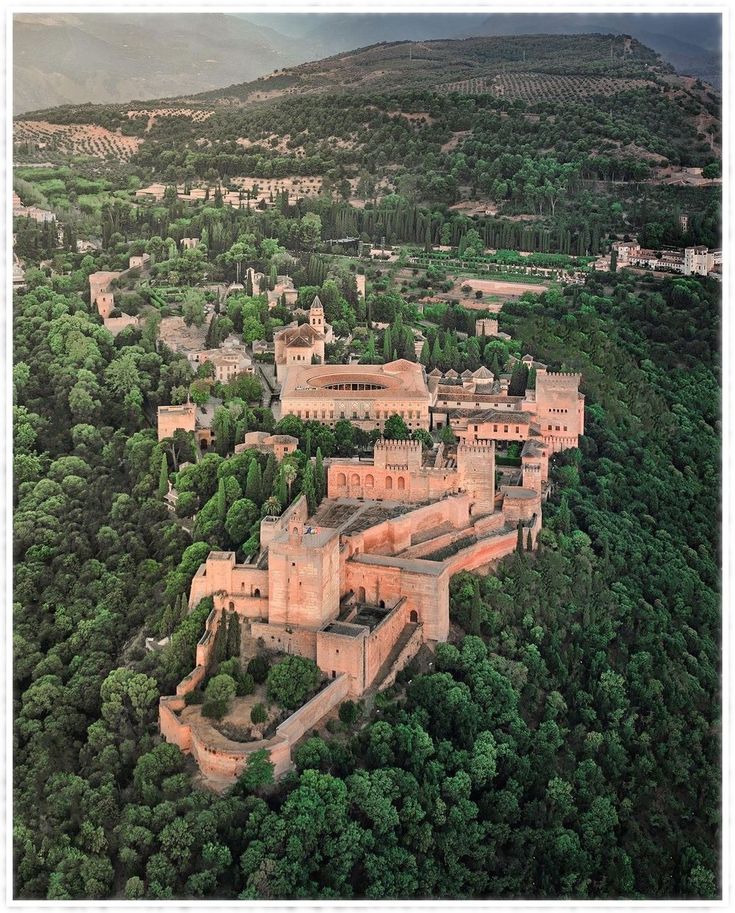
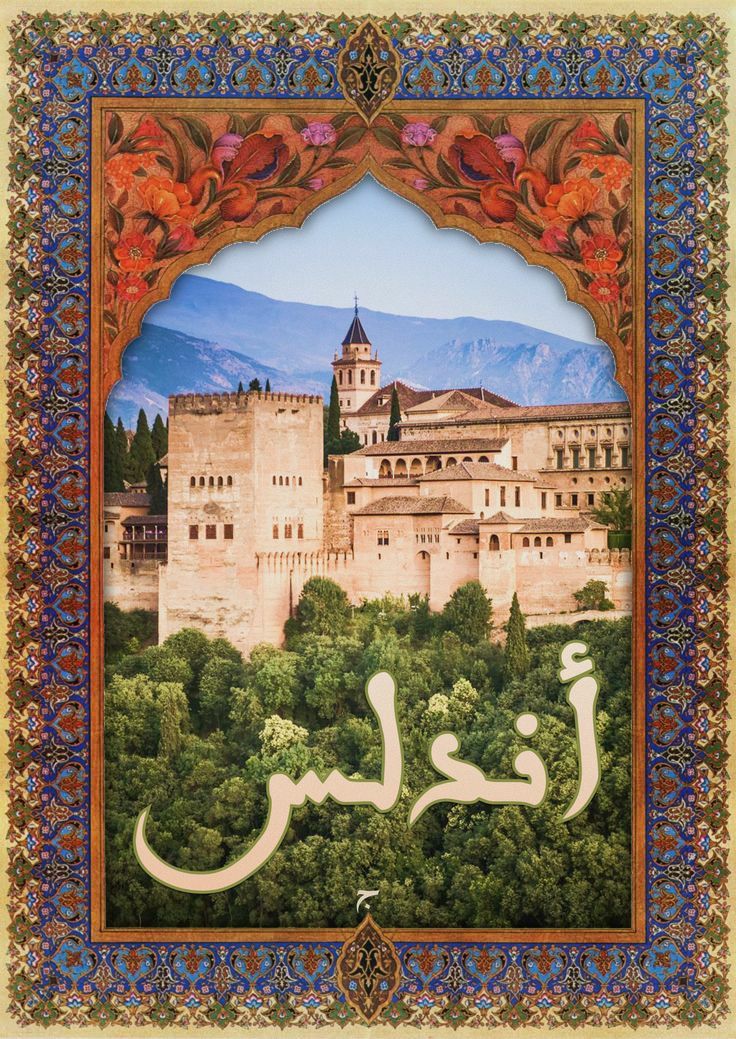
Muhammad ibn al-Ahmar founds the Nasrid Emirate of Granada, the last Muslim state in Iberia. On a red hill his dynasty raises the Alhambra (Qalat al-Hamra, "the red fort"), a palace of light, water and poetry carved in plaster, the final and most exquisite flowering of Al-Andalus.يؤسّس محمد بن الأحمر إمارة غرناطة النصرية، آخر دولةٍ مسلمة في أيبيريا. وعلى تلّةٍ حمراء ترفع أسرته قصر الحمراء (قلعة الحمراء)، قصرَ النور والماء والشعر المنقوش في الجصّ، آخرَ تفتّحات الأندلس وأبهاها.

2 January 1492 CE

The Last Sighالزفرة الأخيرة

After a long siege, Muhammad XII (Abu Abdullah, "Boabdil") hands the keys of Granada to Ferdinand and Isabella. As he looks back upon the city from the mountain pass, tradition says he wept, and the place is still called "the Moor's last sigh." Nearly eight centuries of Al-Andalus come to an end.بعد حصارٍ طويل يسلّم أبو عبد الله محمد الثاني عشر مفاتيح غرناطة إلى فرديناند وإيزابيلا. ولمّا التفت إلى المدينة من الممرّ الجبلي، تقول الرواية إنه بكى، وما زال الموضع يُسمّى «زفرة العربي الأخيرة». وهكذا تنطوي قُرابة ثمانية قرون من عمر الأندلس.

Tariq ibn Ziyad
The Conquerorالفاتح

Tariq ibn Ziyadطارق بن زياد

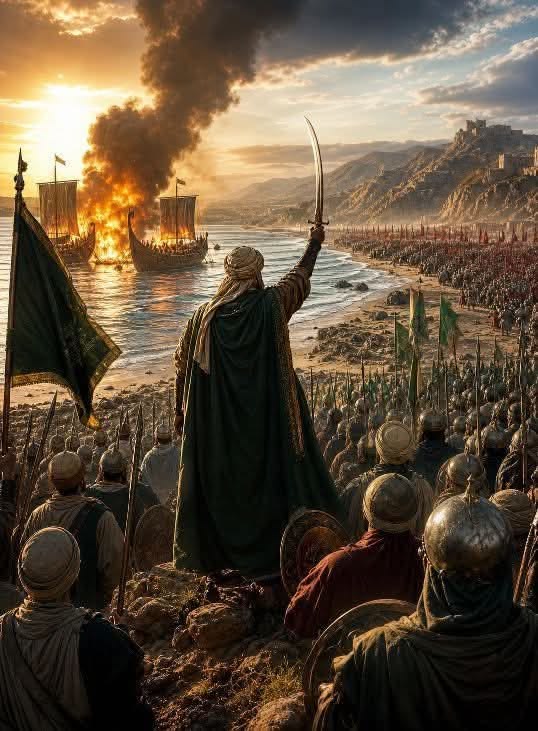
A Berber freedman who rose to command, Tariq ibn Ziyad led the army that opened Al-Andalus. Landing in 711 with a small force against a far larger Visigothic host, he chose faith and resolve over retreat. The strait he crossed and the rock he landed on still bear his name to this day.بربريٌّ عتيقٌ ارتقى إلى القيادة، قاد طارق بن زياد الجيش الذي فتح الأندلس. نزل سنة ٧١١ بقوّةٍ صغيرة في مواجهة جيشٍ قوطيٍّ أكبر بكثير، فاختار الإيمان والعزيمة على التراجع. وما زال المضيق الذي عبره والجبل الذي نزل عنده يحملان اسمه إلى اليوم.

«أيها الناس، أين المفرّ؟ البحر من ورائكم، والعدوّ أمامكم، وليس لكم واللهِ إلا الصدق والصبر»

"O people! Where is the escape? The sea is behind you, and the enemy before you. By Allah, you have nothing but sincerity and patience."

As the historians later related. The story that Tariq burned his ships so there could be no retreat is a powerful tradition recorded by later chroniclers rather than a firmly documented event, yet it captures the spirit of that day.كما رواه المؤرّخون فيما بعد. وقصّة إحراق طارق سفنه حتى لا يكون إلى الفرار سبيل روايةٌ مؤثّرة دوّنها متأخّرو الإخباريين، لا حدثٌ ثابتٌ توثيقاً، لكنها تختصر روح ذلك اليوم.

The Legacy of Al-Andalusإرث الأندلس

Knowledge that Lit Europeعلمٌ أنار أوروبا

Through the translation schools of Toledo and Cordoba, the science and philosophy of the Muslim world, and the Greek learning it had preserved, flowed into Latin Europe and helped ignite the Renaissance.عبر مدارس الترجمة في طُليطلة وقرطبة، تدفّق علم العالم الإسلامي وفلسفته، وما حفظه من تراث اليونان، إلى أوروبا اللاتينية، فأسهم في إشعال عصر النهضة.

Architecture of Lightعمارة النور

The Great Mosque of Cordoba, the Giralda of Seville, and the Alhambra of Granada remain among the most beautiful buildings on Earth, masterpieces of arch, water, light and geometry.يظلّ جامع قرطبة الكبير، وخيرالدا إشبيلية، وحمراء غرناطة من أجمل ما بُني على الأرض، روائعَ في القوس والماء والنور والهندسة.

Medicine and Scienceالطبّ والعلوم

Al-Zahrawi of Cordoba, the father of modern surgery; Ibn Rushd (Averroes) the philosopher; al-Zarqali the astronomer; Ibn al-Baytar the botanist, Al-Andalus produced minds who shaped European thought for centuries.الزهراويُّ القرطبيُّ أبو الجراحة الحديثة، وابن رشدٍ الفيلسوف، والزرقاليُّ الفَلكي، وابن البيطار النباتي: أنجبت الأندلس عقولاً صاغت الفكر الأوروبي قروناً.

Gardens, Water and Daily Lifeالبساتين والماء والحياة

Advanced irrigation turned the south into a garden; new crops, paper mills, paved and lit streets and running water made its cities the wonder of medieval Europe.حوّلت أنظمة الريّ المتقدّمة الجنوبَ إلى بستان؛ ومحاصيلُ جديدة، ومعاصرُ الورق، وشوارعُ مرصوفة مضاءة، ومياهٌ جارية، جعلت مدائنها أعجوبة أوروبا في القرون الوسطى.

Words that Remainكلماتٌ باقية

The Spanish language still carries thousands of Arabic words, and the map of Spain is full of Arabic names: Guadalquivir (al-wadi al-kabir, "the great river"), Gibraltar, Alcazar, and many more.ما زالت اللغة الإسبانية تحمل آلاف الكلمات العربية، وخريطة إسبانيا مليئةٌ بالأسماء العربية: الوادي الكبير (گوادالكيبير)، وجبل طارق، والقصر، وغيرها كثير.

A Shared Homelandوطنٌ مشترك

For long stretches, Muslims, Christians and Jews lived, traded and studied together in Al-Andalus, a coexistence whose memory still speaks to our age.في حِقَبٍ طويلة عاش المسلمون والنصارى واليهود في الأندلس، يتاجرون ويتعلّمون معاً، تعايشٌ ما زالت ذكراه تخاطب زماننا.

The Great Citiesالمدائن الكبرى

Cordobaقرطبة

The capital of the Caliphate and, in its day, the most cultured city in Europe, city of the Great Mosque and of half a million books.عاصمة الخلافة، وأرقى مدائن أوروبا في زمانها، مدينةُ الجامع الكبير، ونصفِ مليون كتاب.

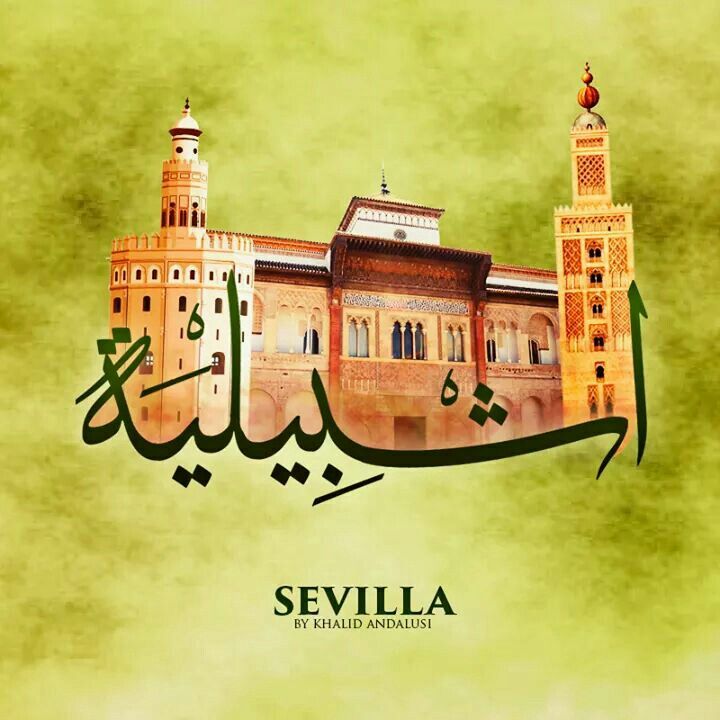
Sevilleإشبيلية

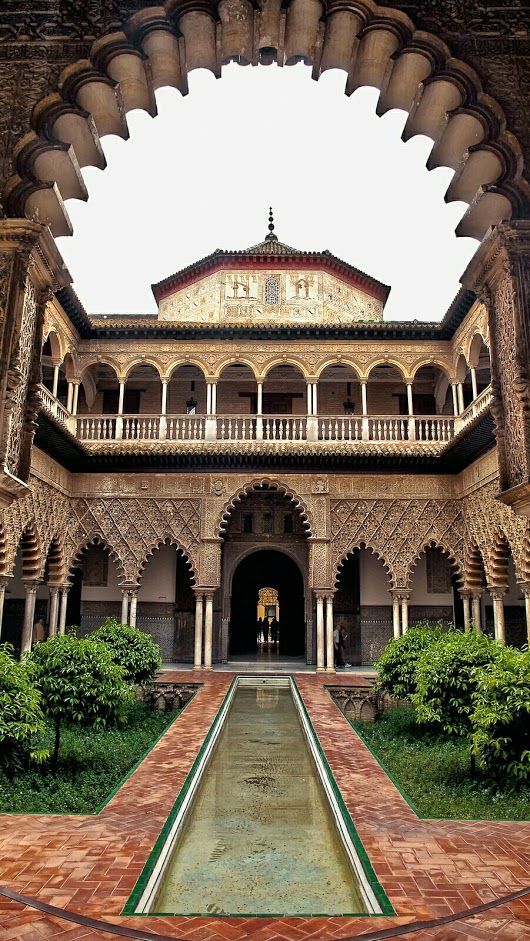
Jewel of the Almohads, whose great minaret, the Giralda, still rises over the city. Its Alcazar palace remains a wonder of Andalusi craft.درّة الموحّدين، التي ما زالت مئذنتها العظمى «الخيرالدا» تعلو فوق المدينة. ويظلّ قصرها (الألكازار) أعجوبةً من صنعة الأندلس.

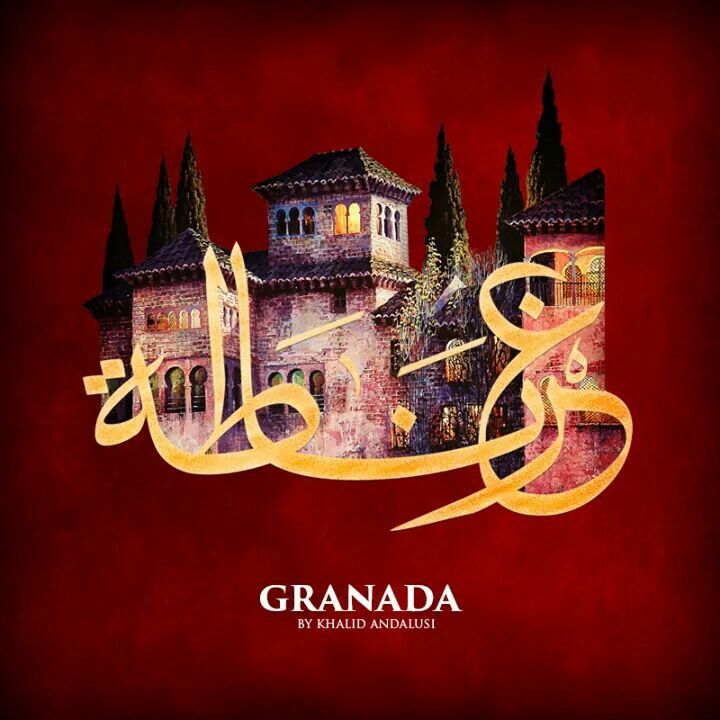
Granadaغرناطة

The last capital of Al-Andalus, crowned by the Alhambra and its Generalife gardens, where the civilisation gave its final, most beautiful breath.آخر عواصم الأندلس، تتوّجها الحمراء وجنّات العريف، حيث لفظت الحضارة أنفاسها الأخيرة الأبهى.

The Beauty That Remainsالجمال الباقي

The Alhambra above the green hills of Granadaالحمراء فوق تلال غرناطة الخضراء
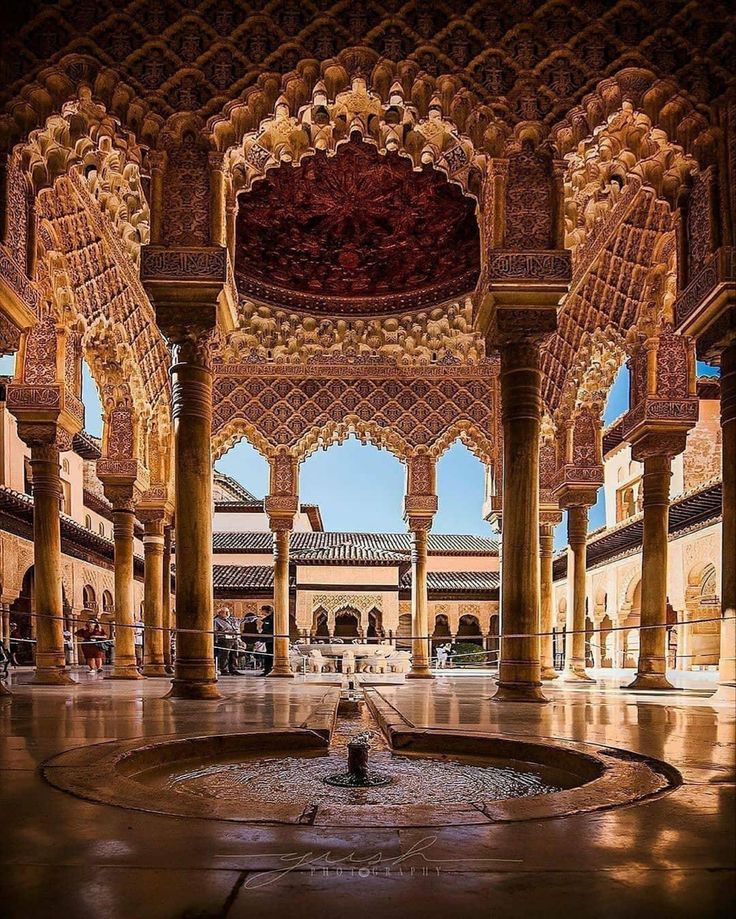
The Court of the Lions, the Alhambraبهو السباع في قصر الحمراء
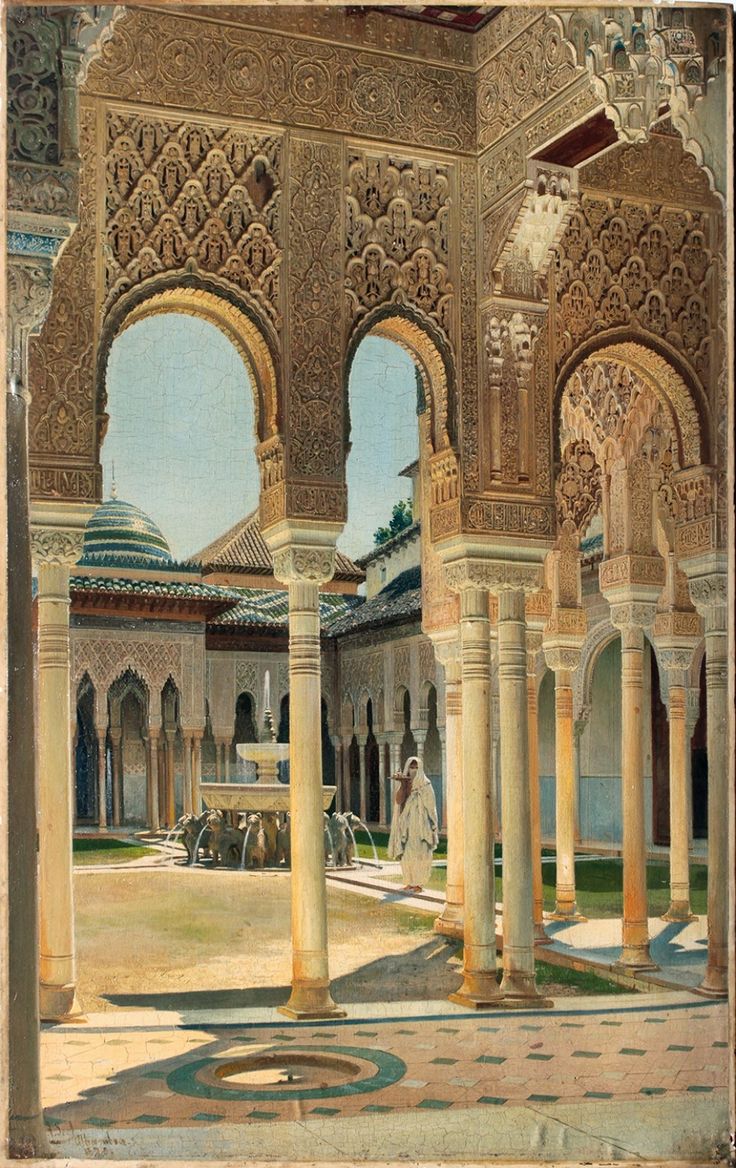
The Court of the Lions, painted in the 19th centuryبهو السباع، بريشة فنّانٍ في القرن التاسع عشر
Al-Andalus, the name of a lost paradiseالأندلس، اسمُ فردوسٍ مفقود
Granadaغرناطة
Sevilleإشبيلية

The Fall, and What It Teachesالسقوط، وما يُعلّمه

Al-Andalus did not fall in a single day, nor to a single enemy. It fell when unity gave way to rivalry between petty kings, when the strong were divided and the ambitious looked only to themselves. After 1492 came forced conversions, the Inquisition, and finally the expulsion of the Moriscos (1609-1614); a whole people was driven from a land it had tilled for centuries. The ruins it left, the Alhambra, the Mezquita, are still among the most beautiful on Earth, a reminder of how high a united people can rise, and how much is lost when they divide.لم تسقط الأندلس في يومٍ واحد، ولا على يد عدوٍّ واحد. سقطت حين حلّ التناحر بين ملوك الطوائف محلّ الوحدة، وحين تفرّق الأقوياء ولم ينظر الطامحون إلا إلى أنفسهم. وبعد ١٤٩٢ جاء التنصير القسري، ومحاكم التفتيش، ثم طرد المورسكيين (١٦٠٩ - ١٦١٤)؛ فأُخرج شعبٌ بأكمله من أرضٍ فلَحها قروناً. وما تركته من آثار، كالحمراء والجامع، ما زال من أجمل ما على الأرض، تذكيراً بمدى ما يبلغه شعبٌ موحَّد من العلوّ، وحجمِ ما يضيع حين يتفرّق.

Al-Andalus is not only a memory of loss; it is proof of what faith, knowledge and unity can build. Its light did not die, it passed into the world, and it waits in every heart that still remembers.الأندلس ليست ذكرى فقدٍ وحسب؛ بل برهانٌ على ما يبنيه الإيمان والعلم والوحدة. لم ينطفئ نورها، بل انتقل إلى العالم، وهو ينتظر في كل قلبٍ ما زال يذكر.

Ask anything about Islamاسأل أي شيء عن الإسلام
Hidayah AIمساعد هداية
Onlineمتصل
بسم الله الرحمن الرحيم
In the name of Allah, the Most Gracious, the Most Merciful.

As-salamu alaykum! Ask me about the Quran, Hadith, prayer, history, or how to become Muslim.

السلام عليكم! اسألني عن القرآن والحديث والصلاة والتاريخ أو كيف تدخل في الإسلام.